Understanding the Technology Behind Urban Green Spaces
Urban green spaces have become vital components of city planning, helping to enhance the quality of life for residents. Understanding the technology that supports these areas can provide valuable insights into their management and benefits.
The Role of Technology in Urban Green Spaces
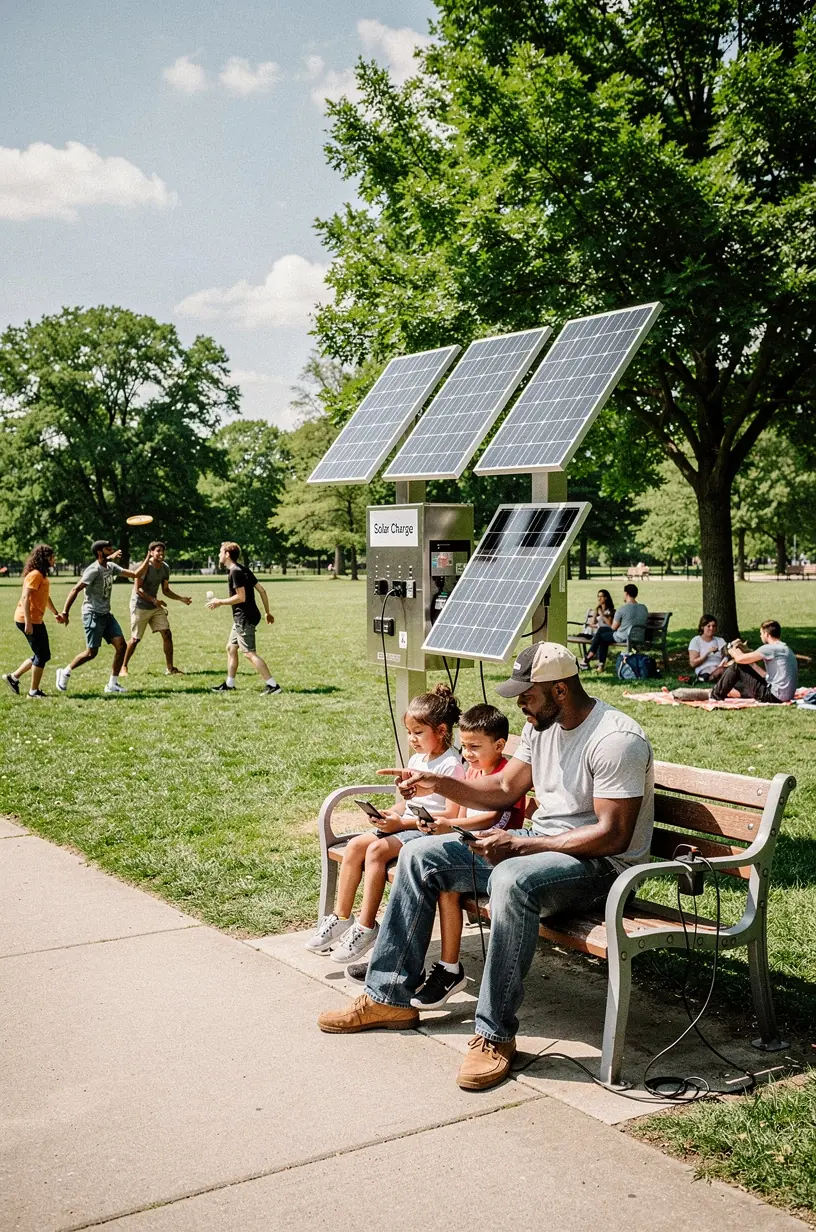
Urban green spaces, which include parks, gardens, and green roofs, are essential for improving urban environments. They typically offer benefits such as enhancing biodiversity, improving air quality, and providing recreational areas. According to recent studies, effective management of these spaces often involves the integration of technology.
"Technology plays a crucial role in optimizing the maintenance and functionality of urban green spaces, as highlighted by research from leading environmental studies."
Smart Irrigation Systems
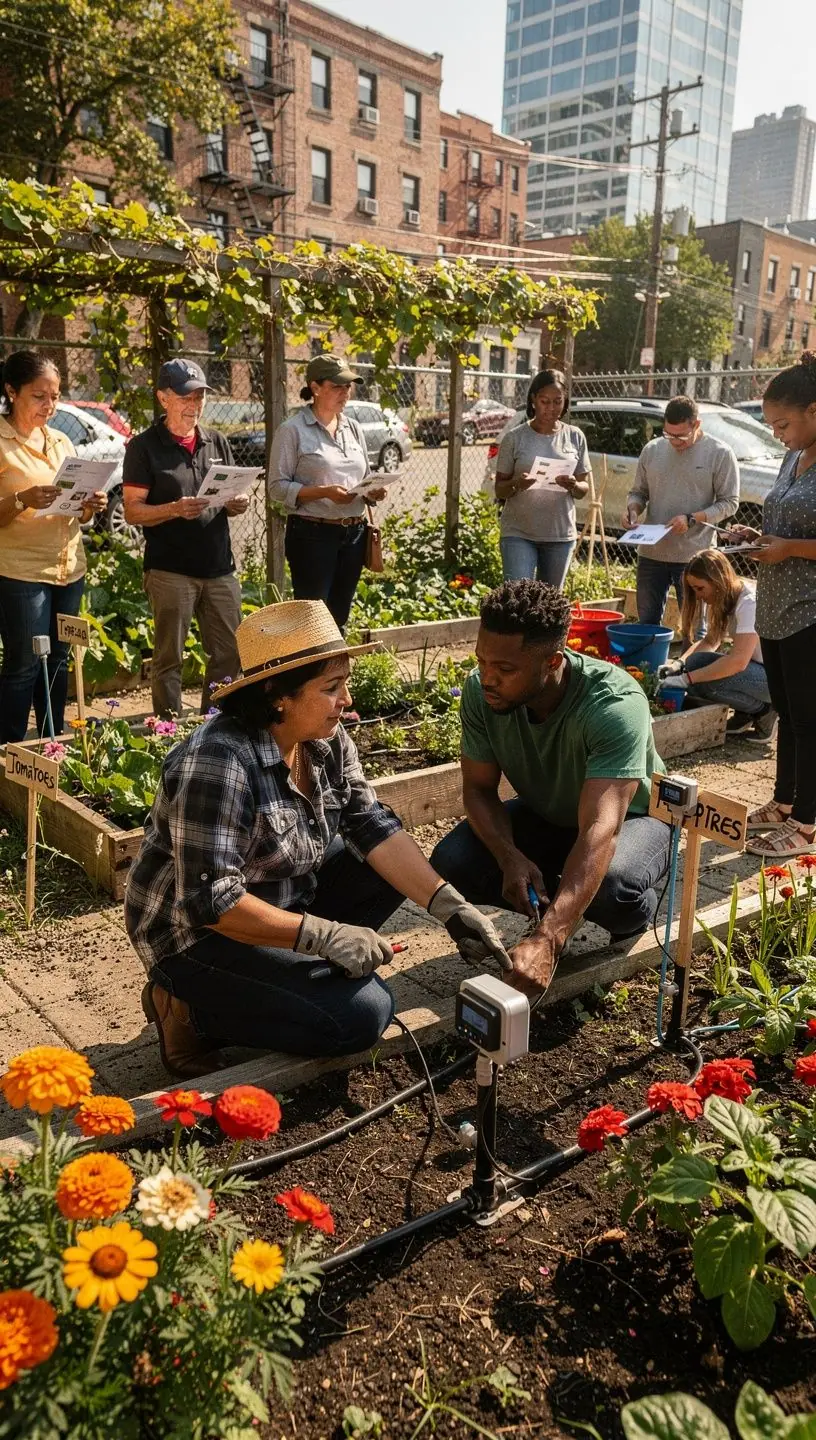
One significant technological advancement in urban green spaces is the use of smart irrigation systems. These systems utilize sensors and weather data to optimize water usage. Typically, they can reduce water consumption by up to 30%, making them an effective solution for managing water resources in cities.
Urban Green Space Monitoring
Monitoring the health of urban greenery is essential for effective maintenance. Sensors can be installed to track soil moisture, temperature, and plant health. This data helps city planners make informed decisions about when to intervene. Research indicates that such monitoring strategies can lead to a 20-40% improvement in plant survival rates.
Benefits of Green Space Technology
- Enhanced Biodiversity: Smart management encourages a wider variety of plant and animal species, creating more resilient ecosystems.
- Improved Air Quality: Green spaces can mitigate urban heat and improve air quality, helping to combat pollution.
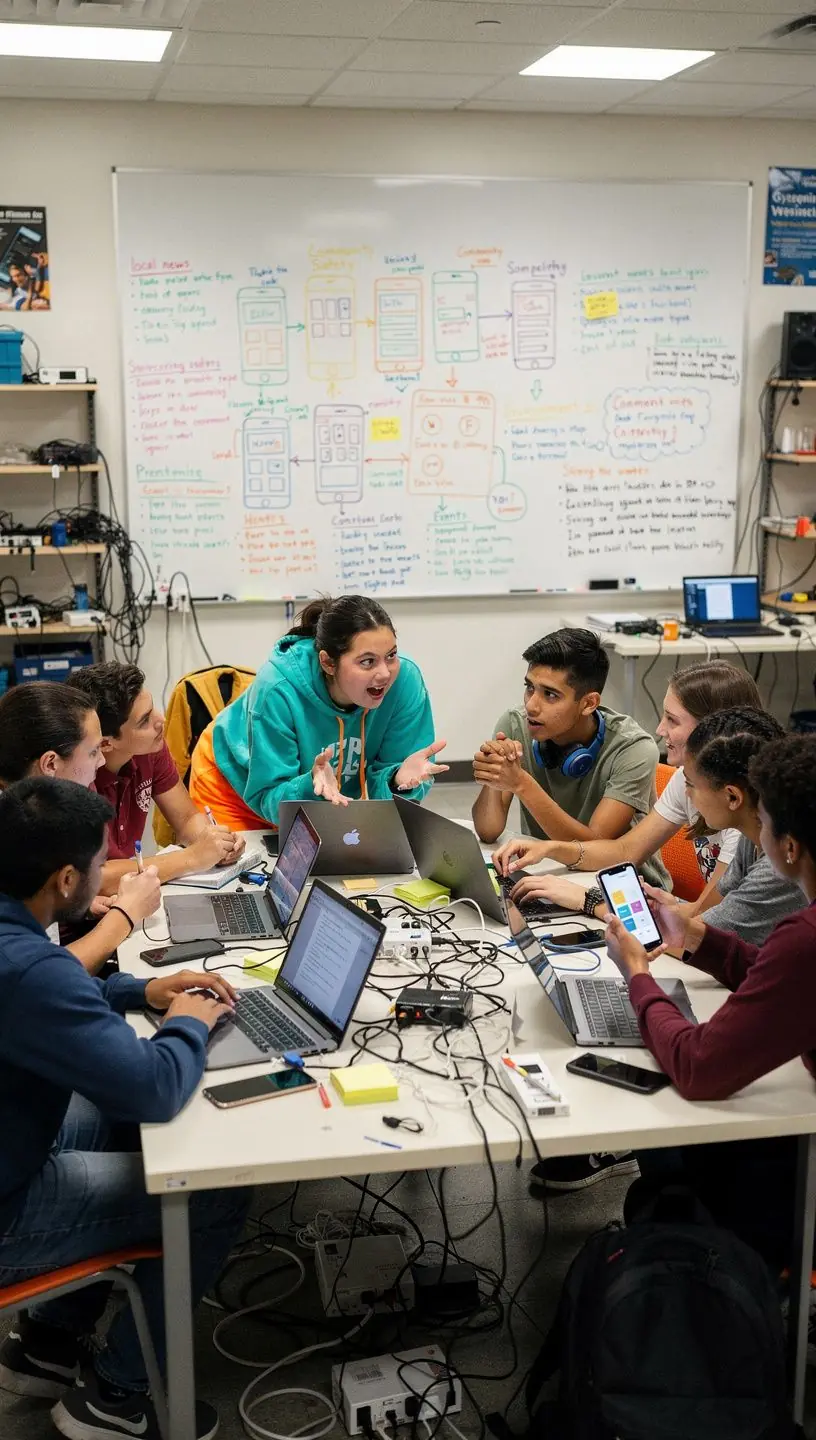
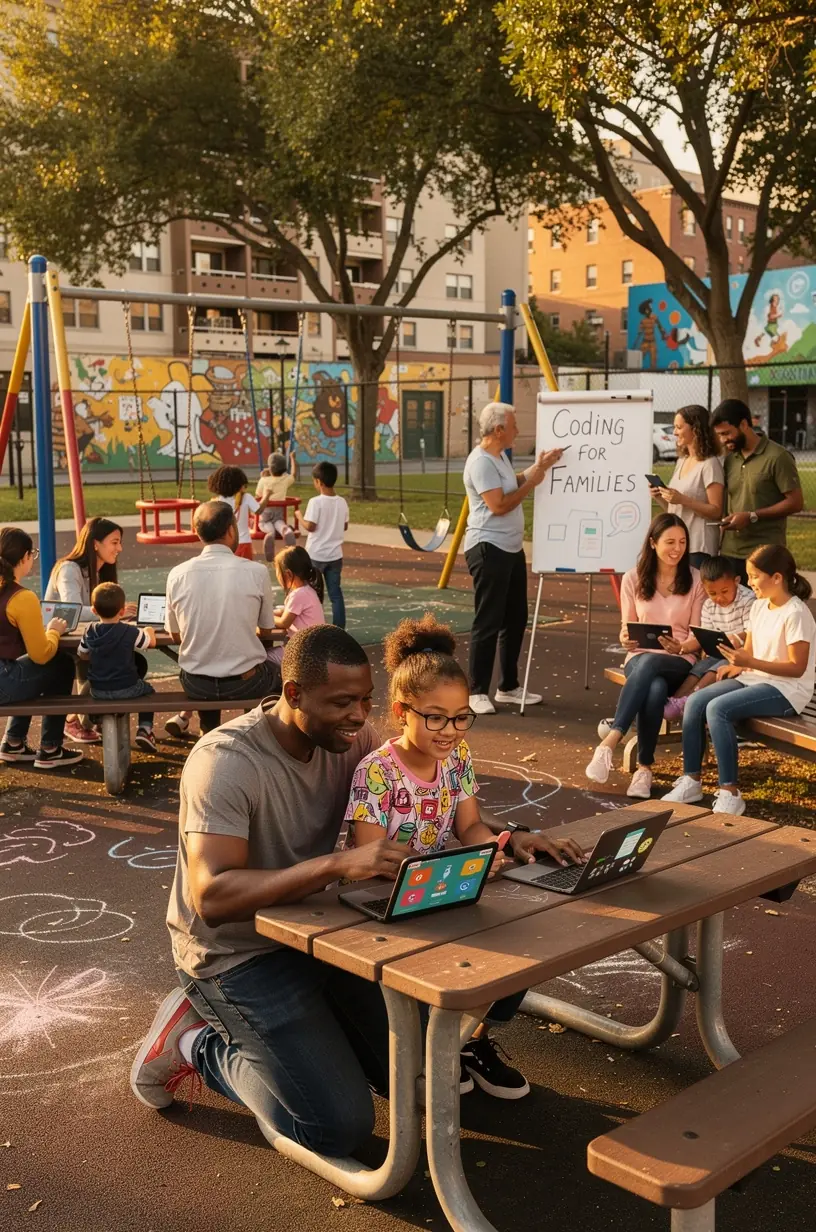
- Community Engagement: Technologies such as mobile apps allow residents to engage more with their local green spaces, promoting stewardship and community involvement.
Limitations and Considerations
While technology offers significant advantages, it is essential to acknowledge its limitations. Implementing these systems can require substantial initial investment and ongoing maintenance. Furthermore, the effectiveness of technology may vary based on specific local conditions and community needs.
Conclusion
Understanding the technology behind urban green spaces reveals its potential to enhance city life. While advancements in technology can lead to improved management and sustainability, they require careful consideration of context and community involvement. By embracing these innovations, cities can create healthier and more vibrant environments for their residents.