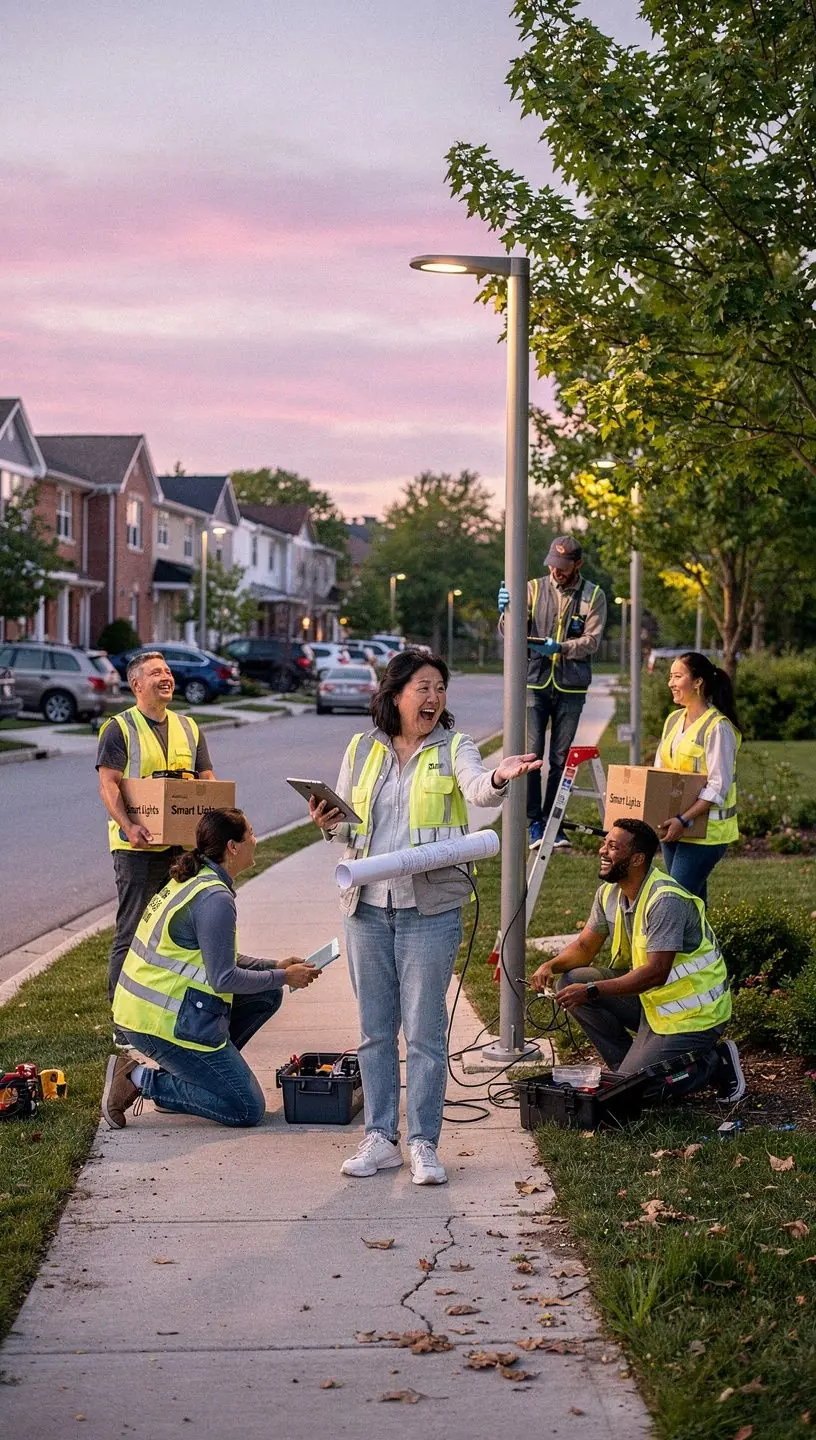
Exploring Community Engagement Through Digital Platforms
In an increasingly digital world, community engagement through online platforms is becoming essential for fostering collaboration and connection. This article delves into how these platforms can enhance community interaction and provide a space for local innovations to thrive.
Understanding the Basics
Digital platforms, such as social media, community forums, and local websites, help facilitate interaction among community members. According to research, communities that engage regularly through digital means often see increased participation in local events and initiatives. This interaction can lead to stronger social ties and a deeper sense of belonging.

"Communities that leverage digital platforms for engagement often report higher levels of civic participation and satisfaction." - Community Engagement Studies
The Importance of Engagement
Community engagement is essential because it allows individuals to voice their opinions, share knowledge, and collaborate on local projects. Studies show that communities with effective engagement strategies can improve public services and increase overall community well-being. The principle behind this is that when individuals feel connected, they are more likely to contribute to collective goals.
Practical Applications of Digital Platforms
- Regular Online Meetings: Hosting virtual town halls or discussions can facilitate communication. Experts recommend that scheduling these sessions at convenient times can attract a diverse audience.
- Community Forums: Establishing online forums for residents to discuss local issues can promote dialogue. Typically, these platforms require moderators to ensure respectful and constructive conversation.
- Social Media Campaigns: Utilizing social media to highlight local events and initiatives can significantly increase visibility. Research indicates that strategic use of hashtags can amplify reach and engagement.
Challenges to Consider
While digital platforms offer numerous benefits, they also come with challenges. Many users report a digital divide that may exclude certain demographics, particularly older individuals or those with limited internet access. Additionally, successful engagement requires ongoing effort and a commitment to fostering an inclusive atmosphere. In most cases, platforms work best when they are combined with in-person activities to strengthen connections.
Conclusion
Community engagement through digital platforms is a promising avenue for enhancing local participation and innovation. By understanding the principles behind effective digital communication, communities can leverage these tools to foster collaboration. While challenges exist, the potential benefits make it an essential focus for community leaders and residents alike. Embracing this approach can lead to lasting positive changes within communities across the United States.