Harnessing Community Solar Projects Effectively
Community solar projects present opportunities for towns and cities across the United States to harness renewable energy. These initiatives often involve shared solar installations that allow multiple participants to benefit from a single solar array, making it a viable option for those who cannot install solar panels on their properties. This article explores effective approaches to implementing and optimizing community solar projects.
Understanding Community Solar
Community solar programs typically allow residents and businesses to participate in solar energy generation without the need for individual installations. Participants can purchase or lease a portion of a shared solar array, receiving credits on their electricity bills based on the amount of energy produced. According to the National Renewable Energy Laboratory (NREL), community solar can increase access to solar energy, especially for low- to moderate-income households and renters.
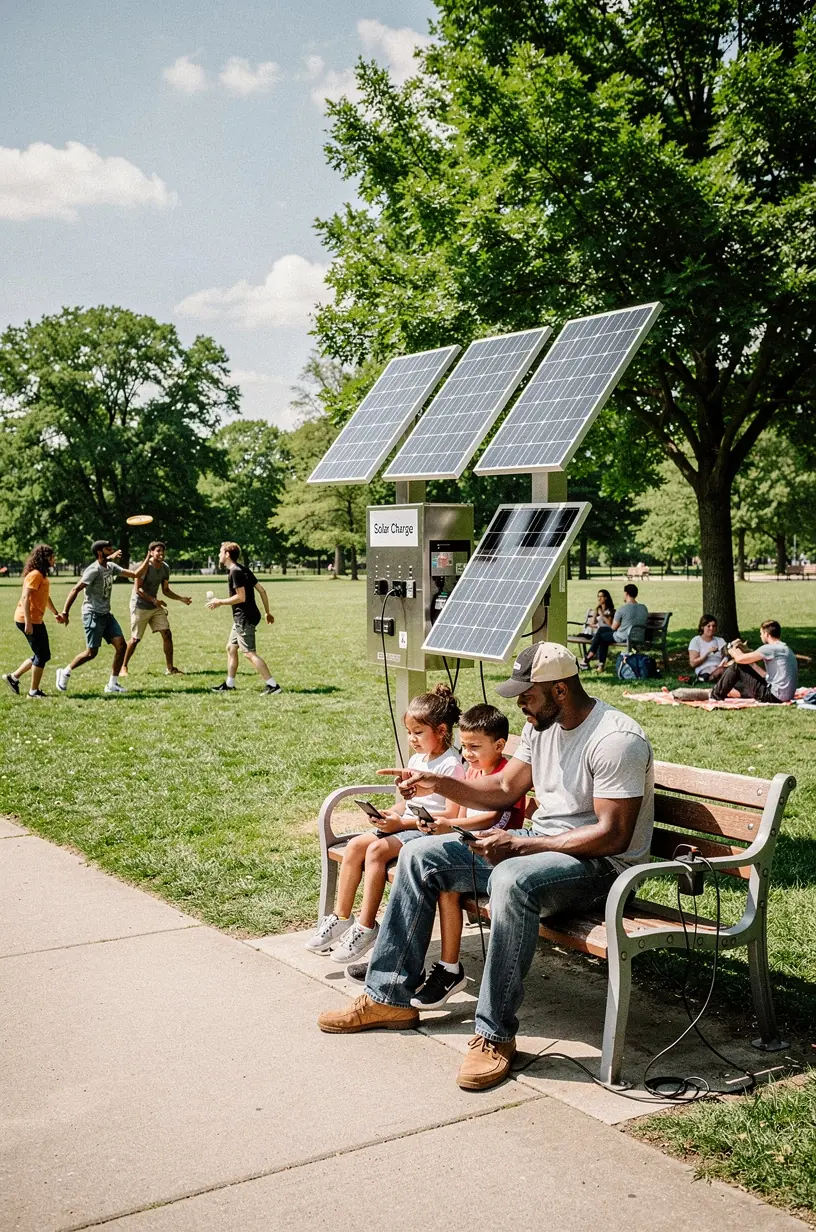
"Community solar offers a path to clean energy that is often more accessible and economically viable for many households." - Industry Expert
Strategies for Effective Implementation
Implementing community solar projects effectively involves careful planning and consideration of various factors:
- Community Engagement: Engaging local citizens early in the planning process can help identify their needs and concerns. Studies show that community involvement often leads to higher participation rates and project success.
- Partnerships: Collaborating with local governments, utilities, and nonprofits can leverage resources and expertise. Research indicates that partnerships can enhance project visibility and increase funding opportunities.
- Financial Models: Offering various financing options can accommodate different economic situations among participants. Many communities have found that flexible payment plans or subscription models can make participation more attainable.
Measuring Success and Sustainability
Establishing metrics for success is essential for the long-term viability of community solar projects. Monitoring energy generation, participant satisfaction, and financial performance can help project leaders understand what works and what may need adjustment. Experts recommend conducting regular evaluations to ensure that the project meets community needs and adapts to changing circumstances.
Acknowledging Challenges
While community solar has many benefits, it is important to acknowledge potential challenges. Projects may require significant upfront investment and can take time to develop, often 1-2 years from conception to completion. Additionally, regulatory hurdles can vary by state, influencing the project's feasibility. Local governments and stakeholders should be prepared for these challenges and have strategies in place to address them.
Conclusion
Community solar projects can play a vital role in advancing renewable energy access across the United States. By focusing on community engagement, building strong partnerships, and implementing effective financial models, communities can successfully harness solar power for the benefit of all residents. While challenges exist, a well-planned approach can lead to sustainable energy solutions that empower communities and support local innovation.