How Neighborhood Networks Enhance Public Safety
In recent years, many neighborhoods across the United States have turned to community-based networks to bolster public safety. Through collaboration and communication, these networks can foster a sense of security, often improving responses to local issues.
Understanding Neighborhood Networks
Neighborhood networks typically consist of residents who join forces to monitor and address safety concerns in their community. Research indicates that active neighborhood watch groups can lead to a 13% decrease in property crime in their areas, according to a study published in the Journal of Criminal Justice. These groups often utilize methods such as regular meetings, social media groups, and community events to stay connected and informed.

"Collaboration within the community not only enhances safety but also builds trust among residents." - Community Safety Expert
Key Strategies for Enhancing Public Safety
- Establishing Communication Channels: Regular updates through social media or group messaging apps can keep residents informed about local safety concerns. Studies suggest that communities with efficient communication strategies often feel safer and more engaged.
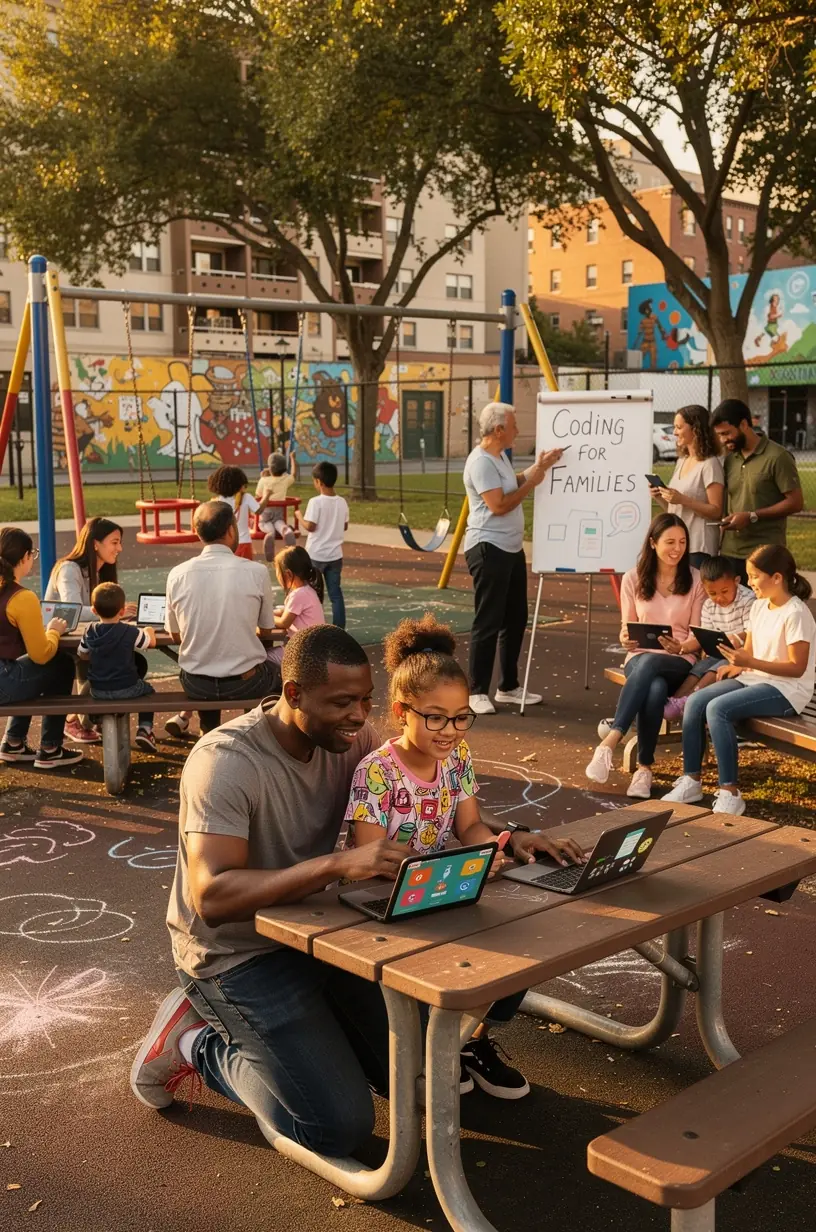
- Hosting Community Events: Neighborhood gatherings can strengthen bonds among residents, making it easier to discuss safety issues. According to experts, neighborhoods that frequently engage in communal activities report lower crime rates.
- Creating an Emergency Plan: Communities that develop a well-structured emergency response plan typically experience quicker responses to crises. This involves designating roles among residents and practicing drills, which can take a few weeks to establish effectively.
Challenges and Considerations
While neighborhood networks can significantly enhance public safety, they often require a commitment of time and resources. Engaging residents may take some effort, particularly in areas with lower participation rates. Additionally, networks work best when there is a diverse group of participants, ensuring that various perspectives and concerns are addressed.
It is essential to acknowledge that not all community issues can be effectively managed through neighborhood networks alone. In some instances, professional law enforcement involvement is crucial, especially for serious incidents.
Conclusion
Neighborhood networks offer a promising approach to enhancing public safety. When residents come together to share information and support one another, the entire community can benefit. By implementing practical strategies and maintaining open lines of communication, communities can create safer environments that contribute to overall well-being. While these efforts may require time and dedication, the outcomes often lead to a stronger, more secure neighborhood.