Innovative Water Conservation Techniques for Neighborhoods
As communities across the United States grapple with water scarcity, innovative water conservation techniques are emerging as practical solutions to help neighborhoods reduce water usage and promote sustainability. This article explores several effective strategies that can be implemented at the local level.
Understanding the Importance of Water Conservation
Water conservation is critical for maintaining environmental balance and ensuring the availability of this vital resource for future generations. Research indicates that urban areas can save up to 30% of their water consumption by adopting efficient practices. In many communities, the need for effective water management is more urgent than ever, making it essential to explore various techniques that can be easily adopted by residents.
"Effective water conservation strategies not only save water but also reduce costs for households and municipalities." - Water Resource Experts
Practical Techniques for Neighborhoods
Implementing water conservation techniques at the neighborhood level can be both feasible and impactful. Here are several practices that have proven beneficial:
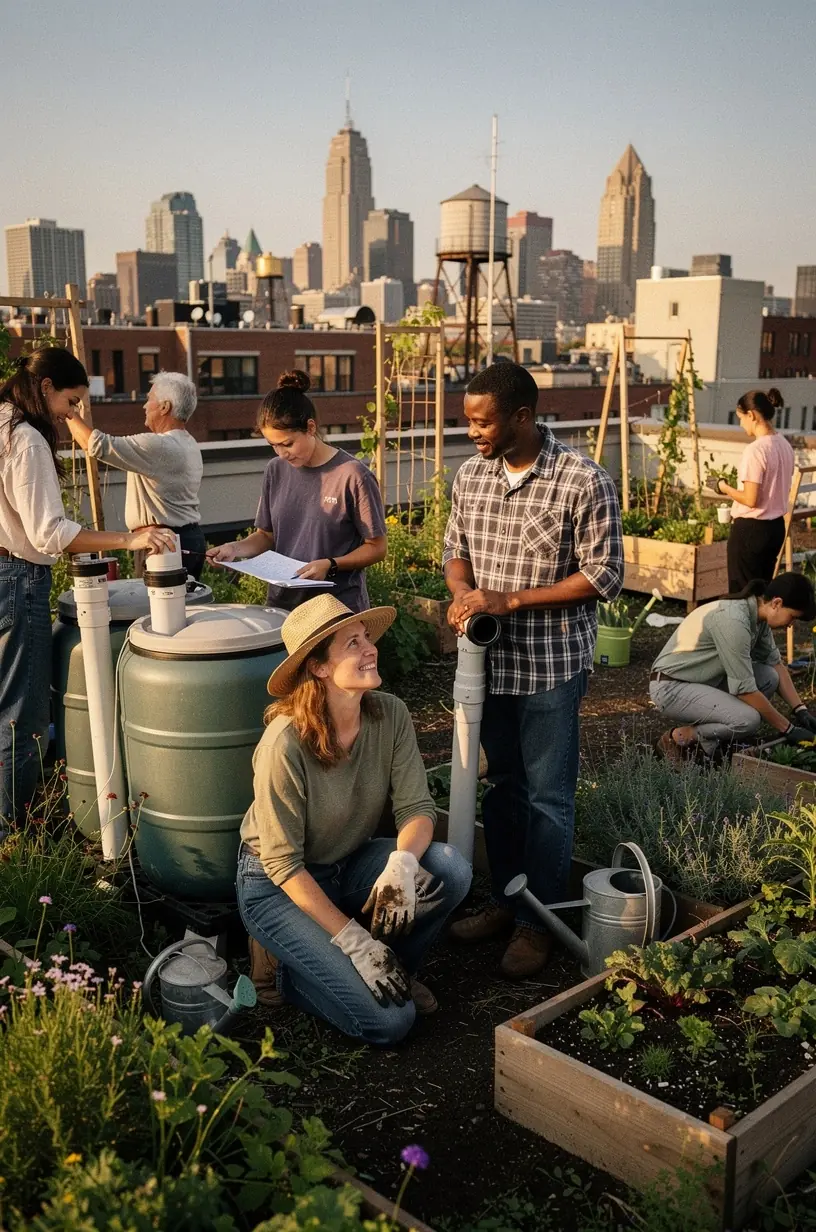
- Rainwater Harvesting: Collecting rainwater from rooftops can significantly reduce dependence on municipal water systems. According to studies, a typical household can collect over 1,000 gallons of rainwater during a single rain event, which can be used for irrigation and other non-potable uses.
- Xeriscaping: This landscaping method emphasizes the use of drought-resistant plants and efficient irrigation techniques. Experts recommend that neighborhoods implementing xeriscaping can reduce outdoor water use by 50% or more.
- Smart Irrigation Systems: Utilizing advanced irrigation technology, such as drip systems and moisture sensors, can help ensure that water is used only when necessary. Research shows that these systems can reduce water usage by approximately 30-50% compared to traditional methods.
Community Involvement and Education
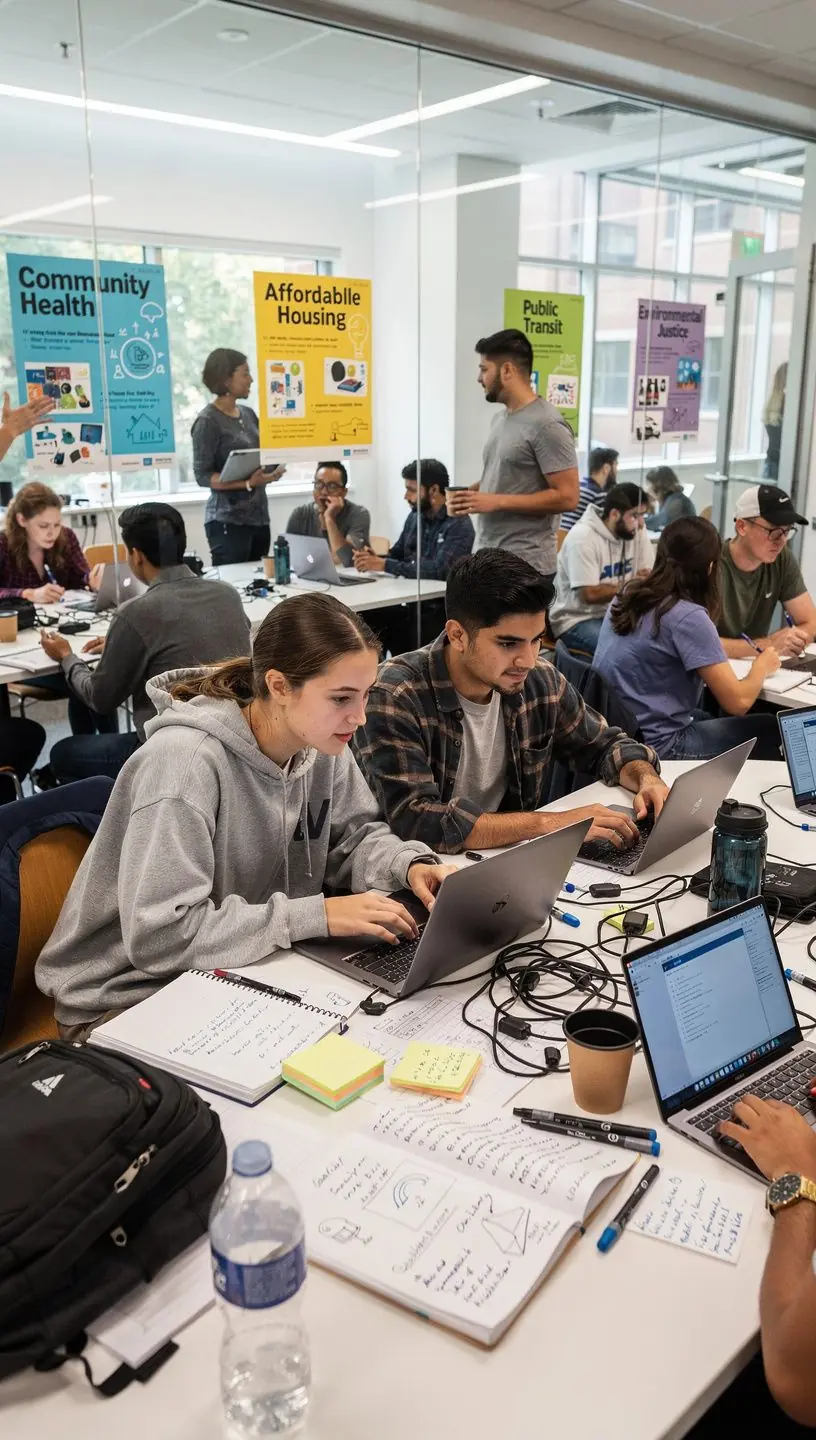
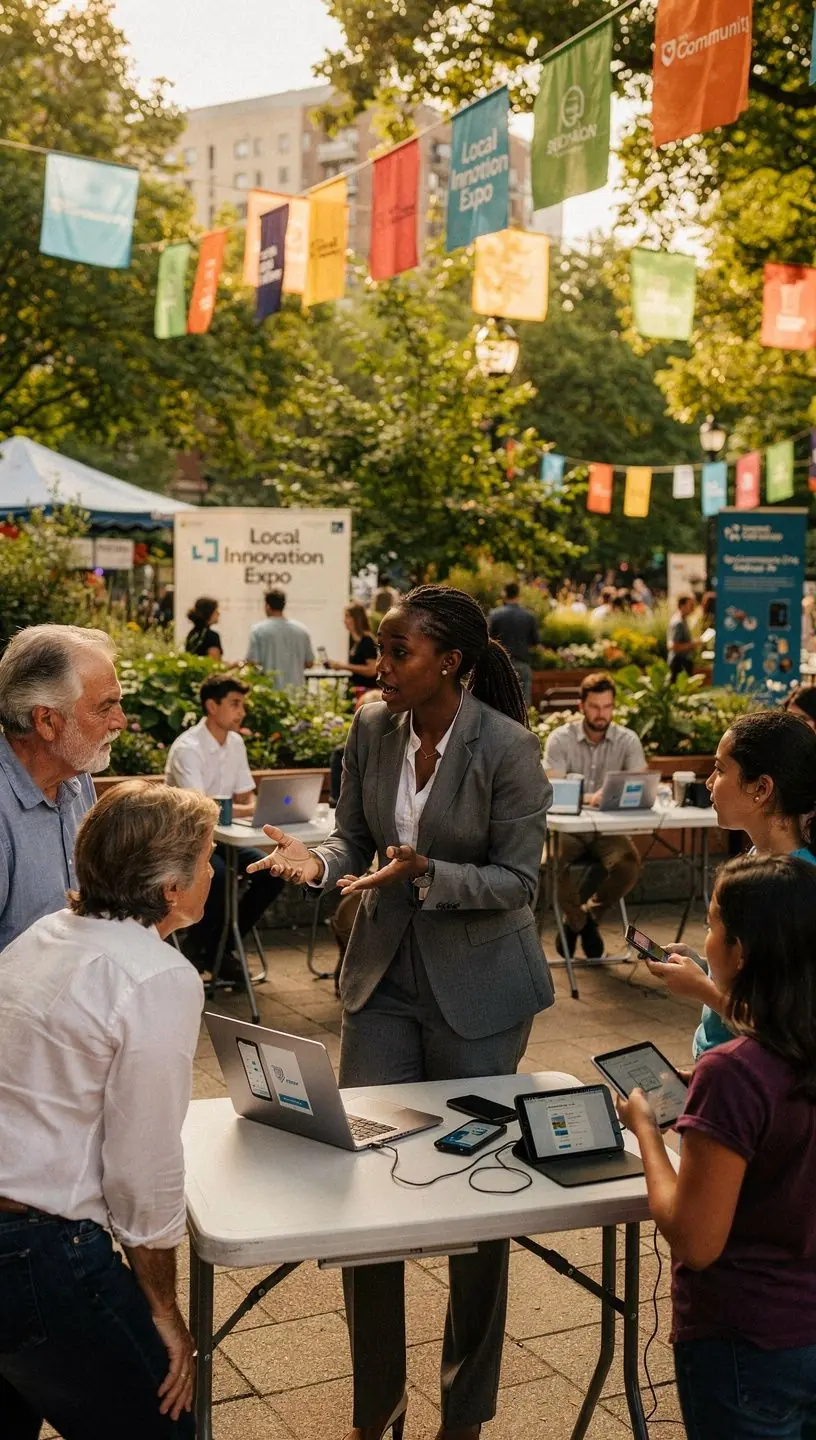
Successful implementation of water conservation techniques often relies on community engagement. Educating residents about the benefits of these strategies and providing resources for adoption can enhance participation. Studies suggest that communities that engage in educational programs see higher rates of adoption of water-saving practices. Here are some steps neighborhoods can take:
- Organize community meetings to discuss the importance of water conservation.
- Share success stories from nearby neighborhoods that have successfully implemented these techniques.
- Collaborate with local environmental organizations to provide resources and support for residents interested in starting conservation projects.
Challenges and Realistic Expectations
While these techniques are effective, it is important to acknowledge the challenges associated with implementing them. For instance, adopting rainwater harvesting may require initial investments and ongoing maintenance. Similarly, transitioning to xeriscaping may take time as plants establish and acclimate to their environments. However, most strategies can lead to significant water savings when consistently practiced.
Conclusion
Innovative water conservation techniques present neighborhoods with an opportunity to play a pivotal role in addressing water scarcity. By embracing practices such as rainwater harvesting, xeriscaping, and smart irrigation, communities can contribute to sustainable water management. While challenges exist, the long-term benefits of reduced water usage and community engagement should encourage residents to adopt these effective methods.
Learn More