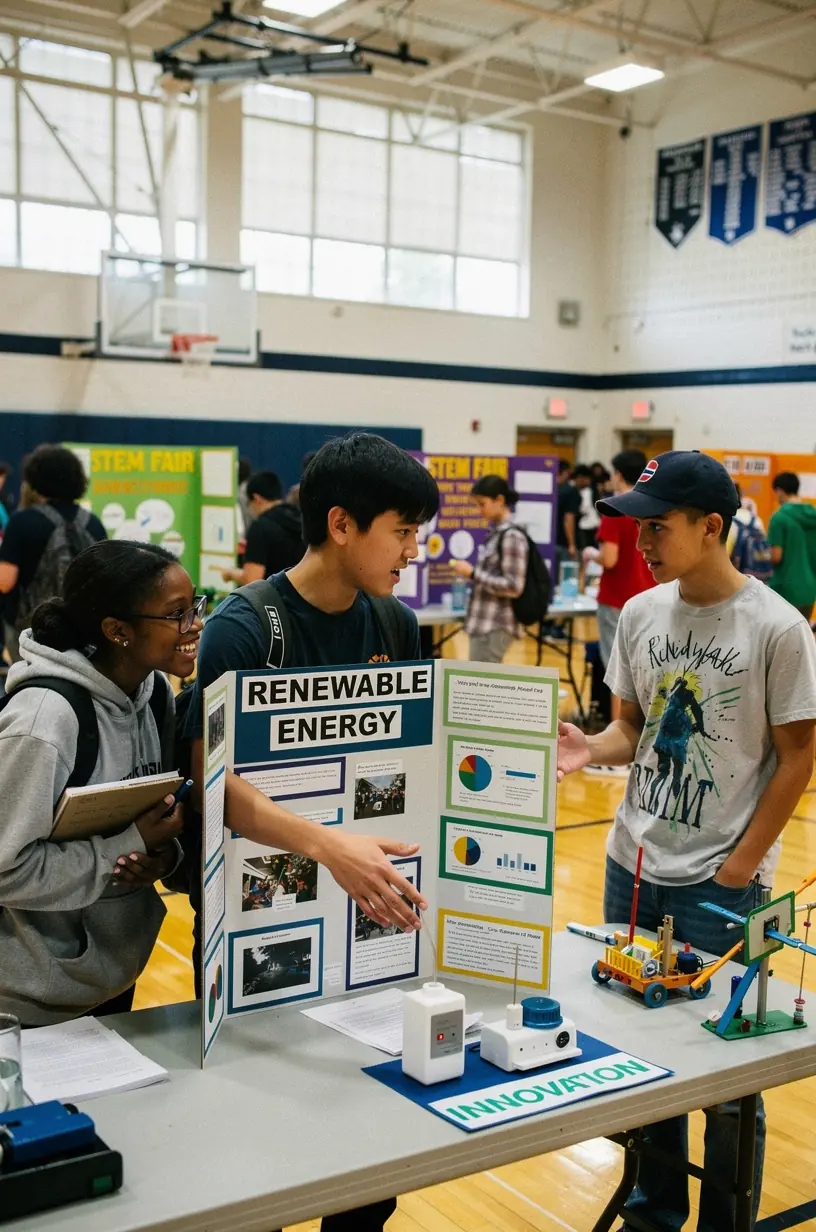
Understanding DIY Renewable Energy Solutions
As communities across the United States seek sustainable alternatives to traditional energy sources, many individuals are turning to DIY renewable energy solutions. Understanding these options can empower residents to make informed decisions that benefit both their wallets and the environment.
Understanding the Basics
DIY renewable energy solutions typically involve harnessing natural resources such as solar, wind, and hydro power. According to research from the National Renewable Energy Laboratory, these methods can reduce reliance on fossil fuels and significantly lower energy costs over time. For many users, these solutions offer a reliable way to generate electricity on-site.
"Adopting renewable energy solutions can lead to a reduction in energy bills by up to 50%, particularly in areas with ample sunlight or wind." - Energy Efficiency Advocate
Types of DIY Renewable Energy Solutions
There are several renewable energy options that individuals can implement in their homes or communities:
- Solar Panels: Installing solar panels is one of the most common DIY renewable energy solutions. Studies show that homeowners can typically recoup their initial investment in 5-10 years, depending on local energy costs and available incentives.
- Wind Turbines: Small-scale wind turbines can generate electricity in areas with consistent wind patterns. Many users report that these systems may require a significant upfront investment but can provide substantial long-term savings.
- Hydro Power: For those near flowing water, micro-hydropower systems can be an effective solution. These systems work best in locations with a sufficient water flow and often require a more complex setup compared to solar or wind options.
Practical Application
Implementing a DIY renewable energy project involves careful planning and consideration:
- Assess Your Energy Needs: Evaluating the amount of electricity consumed typically helps determine the scale of the renewable energy system needed. This often requires analyzing past utility bills to create a baseline.
- Research Local Regulations: Before beginning a project, it's crucial to understand local zoning laws and building codes. Some areas may have restrictions or require permits for installing renewable energy systems.
- Consider Initial Costs and Incentives: Initial investments can vary widely. Exploring available tax credits and rebates can significantly offset costs. Research shows that in many cases, federal and state programs can reduce expenses by up to 30%.
Conclusion
DIY renewable energy solutions represent a growing movement towards sustainable living in communities across the U.S. While implementing these systems can require time and effort, the potential benefits—including reduced energy costs and a lower environmental footprint—are compelling. By understanding the basics and assessing their unique circumstances, individuals can make informed decisions that align with their values and energy needs.
Learn More