Practical Approaches to Community-Based Recycling
Community-based recycling initiatives can significantly impact local environments and economies. This article explores effective methods for implementing and enhancing recycling efforts in communities across the United States.
Understanding the Importance of Community Recycling
Recycling is a cornerstone of sustainable waste management. According to the Environmental Protection Agency, recycling and composting prevented the release of approximately 186 million metric tons of carbon dioxide equivalent into the air in 2018. This reduction is crucial in addressing climate change and fostering healthier communities.
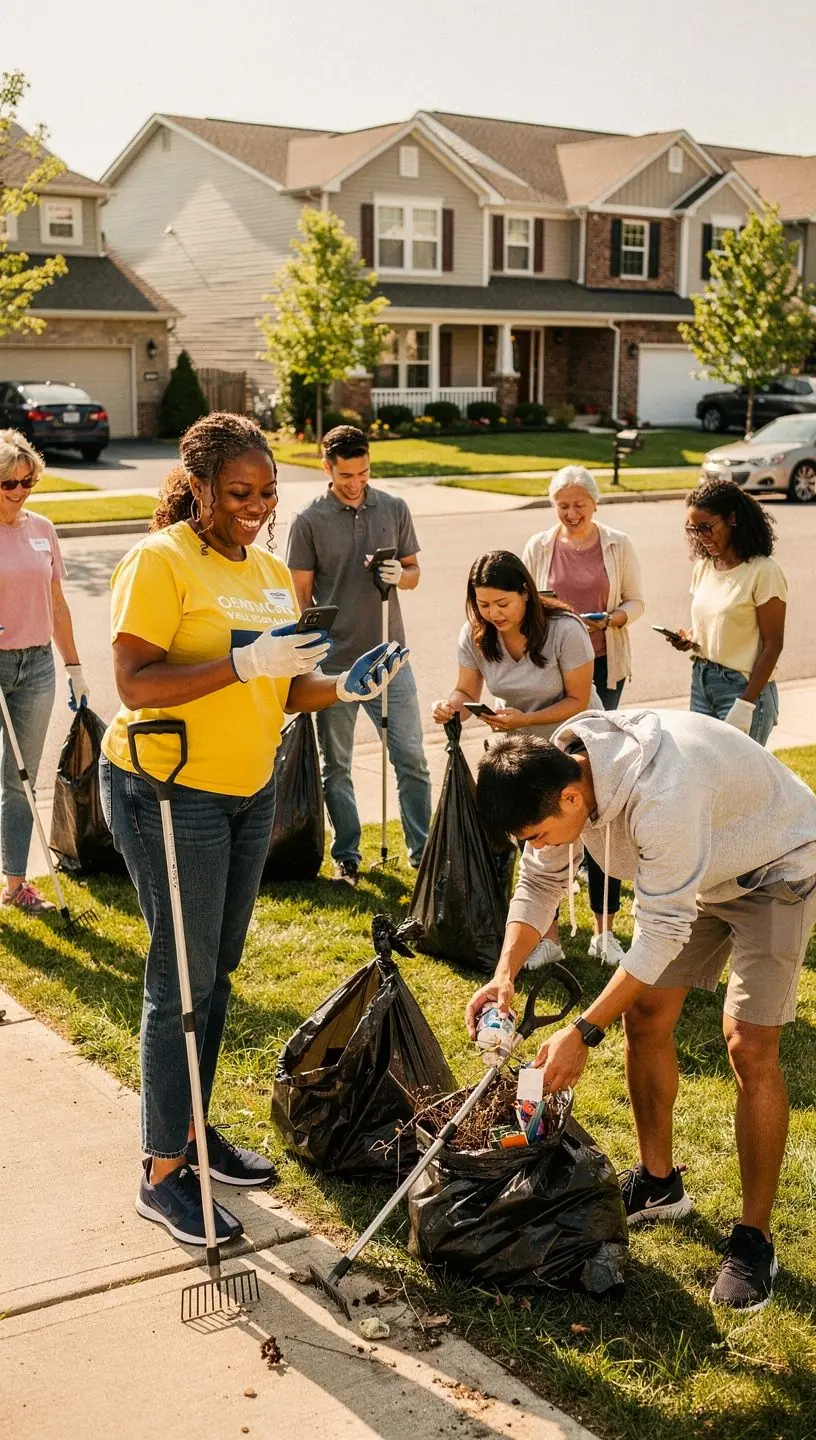
"Engaging communities in recycling efforts not only contributes to environmental sustainability but also promotes local economies and community pride." - Industry Expert
Effective Strategies for Community-Based Recycling
Implementing successful community recycling programs involves a multi-faceted approach. Here are several strategies that have shown promise:
- Education and Awareness: Community outreach through social media, local events, and schools can effectively raise awareness about the benefits of recycling. Research indicates that educational programs can increase participation rates by 20-30% in local recycling efforts.
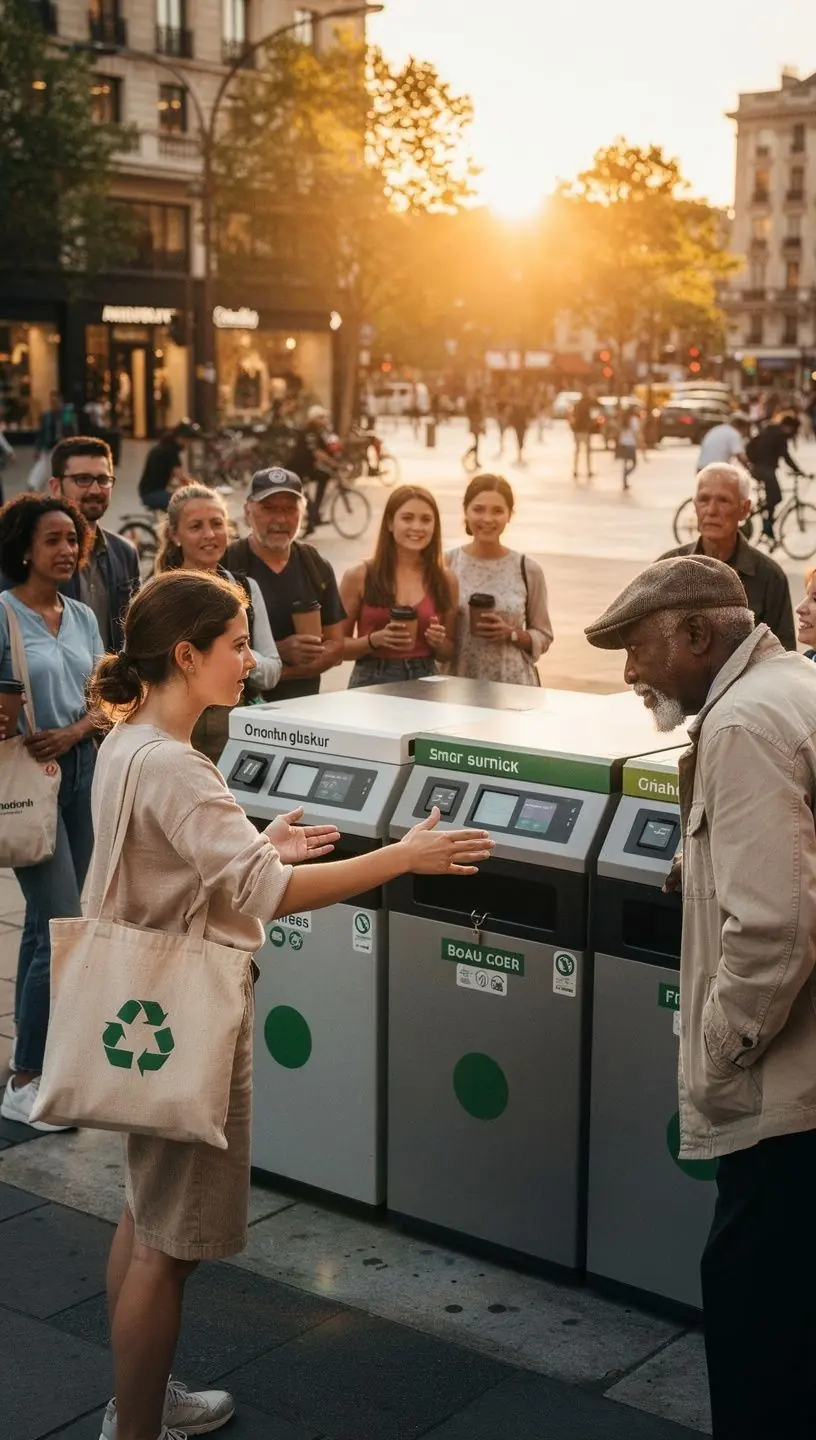
- Accessible Recycling Bins: Placing recycling bins in high-traffic areas enhances participation. Studies show that visible and accessible bins can lead to increased recycling rates, particularly when they are clearly labeled and differentiated from regular waste bins.
- Incentives and Recognition: Offering incentives for recycling, such as discounts at local businesses or recognition for community efforts, can motivate residents. According to experts, communities that implement incentive programs often see higher engagement levels.
Challenges to Consider
While community-based recycling initiatives are beneficial, they do come with challenges that need careful planning and consideration:
- Establishing initial funding can be a barrier. Many successful programs often rely on community donations, grants, or partnerships with local businesses.
- Logistical issues, such as the collection and sorting of recyclables, require coordination with waste management services. This process may involve developing clear contracts and agreements to ensure effective operations.
- Community engagement can fluctuate. Maintaining interest and participation typically requires ongoing education efforts and regular community events.
Setting Realistic Expectations
Engaging in community recycling may not yield immediate results. Typically, noticeable improvements in recycling rates and community involvement appear within 3-6 months, depending on the strategies employed. Continuous evaluation and adaptation of initiatives based on community feedback can enhance effectiveness.
Conclusion
Community-based recycling programs present an opportunity to foster sustainability, engage residents, and improve local environments. By focusing on education, accessibility, and community involvement, municipalities can adopt practical approaches that lead to meaningful change. While challenges exist, the benefits of a well-implemented recycling initiative can have lasting positive impacts on both the community and the environment.